Harper Peters · 20 October 2026
Leveraging Semantic Linking Strategies for Organizing Niche Content Collections in Independent Digital Projects
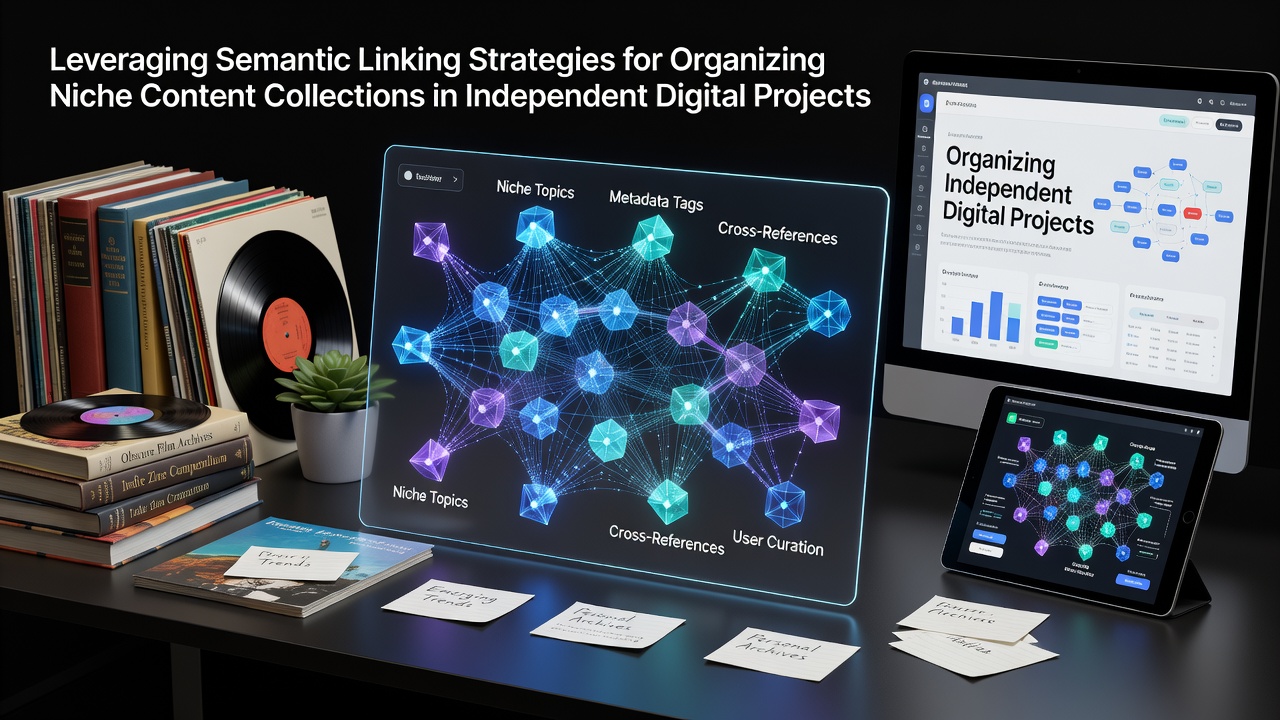
Independent digital projects often manage specialized collections that span multiple themes, and semantic linking provides a method for connecting related items based on meaning rather than surface keywords alone. This approach draws from established semantic web principles where entities receive identification through structured relationships, allowing creators to build networks that reflect conceptual proximity. Researchers have documented how such connections improve retrieval accuracy in collections focused on topics like historical photography or regional ecology, since the links carry contextual weight that search algorithms can process more effectively.
Core Mechanisms Behind Semantic Connections
Entities in a niche collection gain definition through attributes and relationships that point to other entities, and this structure enables navigation paths that follow logical associations such as shared attributes or causal links. Data from the World Wide Web Consortium shows that standardized vocabularies like schema.org support consistent labeling across projects, which reduces ambiguity when users move between related pages. Observers note that independent creators apply these mechanisms by embedding RDF triples or JSON-LD markup directly into content files, creating machine-readable trails that complement human-readable text without requiring separate databases in many cases.
Implementation typically begins with an audit of existing items to identify core concepts, followed by mapping those concepts to established ontologies that already exist in public repositories. Teams then insert links that reference both the target content and the semantic type of the relationship, whether it indicates similarity, part-whole hierarchy, or temporal sequence. In October 2026 several open-source tools released updates that automate part of this mapping process, allowing smaller projects to apply consistent structures without extensive manual coding.
Application Patterns in Specialized Collections
Collections centered on narrow subjects benefit when semantic links surface hidden connections between items that keyword searches might miss, and this proves especially useful for archives containing mixed media formats. One documented case involved a project preserving regional folklore where links connected oral histories to botanical references mentioned within the narratives, producing retrieval paths that aligned with user research patterns observed in usage logs. Those patterns emerged because the semantic layer captured domain-specific relationships that generic tags overlooked.
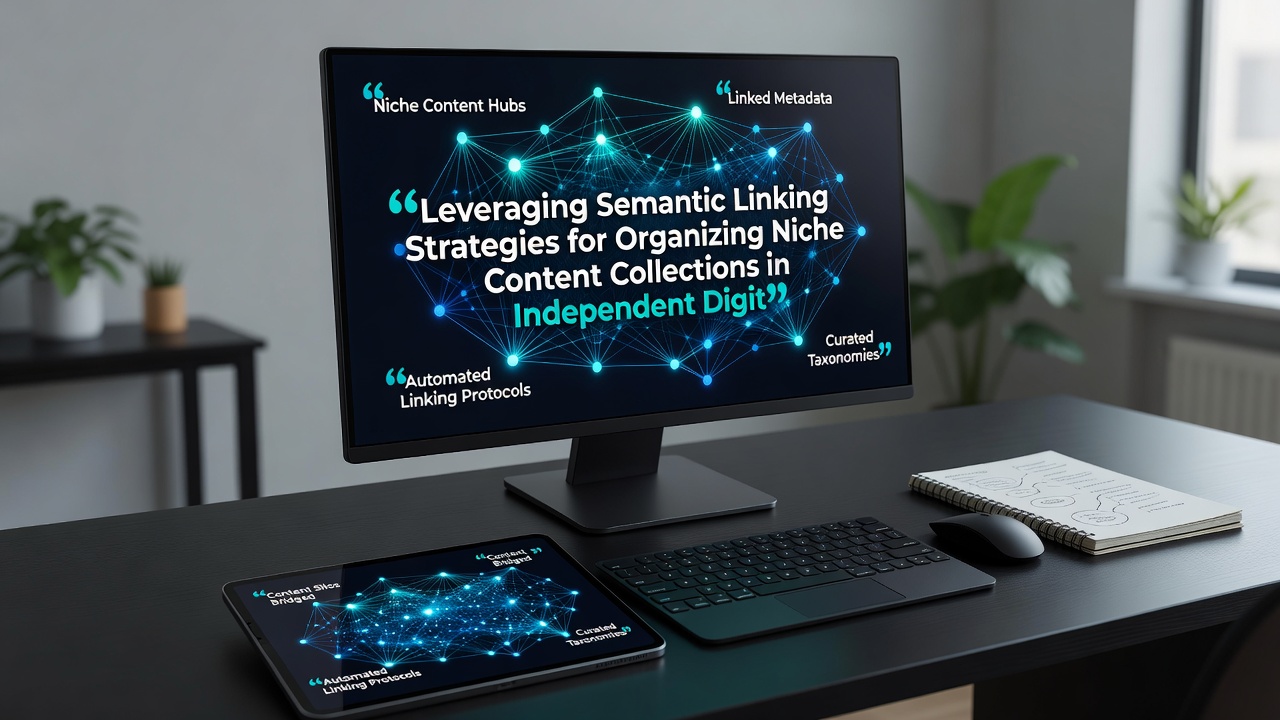
Another pattern appears when projects integrate external knowledge bases, pulling in definitions or related entries from sources that share the same vocabulary standards. This integration expands the effective scope of a collection while maintaining internal coherence, since each external pointer carries explicit relationship metadata. Figures from academic repositories indicate that projects using hybrid internal-external linking see measurable increases in session duration, as visitors follow chains of related material rather than returning to search interfaces repeatedly.
Technical Considerations for Independent Teams
Resource constraints in independent settings often dictate choices between lightweight markup additions and full graph database deployments, and many teams start with inline JSON-LD because it requires minimal infrastructure changes. Validation tools check consistency across links, flagging mismatches in entity references before they propagate through the collection. Those checks become routine when projects adopt version control practices that treat semantic markup as code, allowing collaborative edits without introducing conflicting relationship definitions.
Scalability depends on how cleanly the linking schema separates from the presentation layer, since future redesigns should not break established connections. Documentation of the ontology chosen for each collection helps future contributors maintain the structure, and several university-led initiatives have published template schemas specifically tailored for small-scale digital humanities projects. These templates reduce the learning curve while preserving the flexibility needed for unique niche topics.
Conclusion
Semantic linking strategies continue to evolve alongside web standards, offering independent projects structured methods for organizing content that align with both human understanding and algorithmic processing. The techniques described rely on established practices that have accumulated evidence across multiple domains, and their application in niche collections demonstrates measurable improvements in navigation and retrieval. As tooling advances through 2026 and beyond, these approaches remain accessible to teams operating without large institutional support.